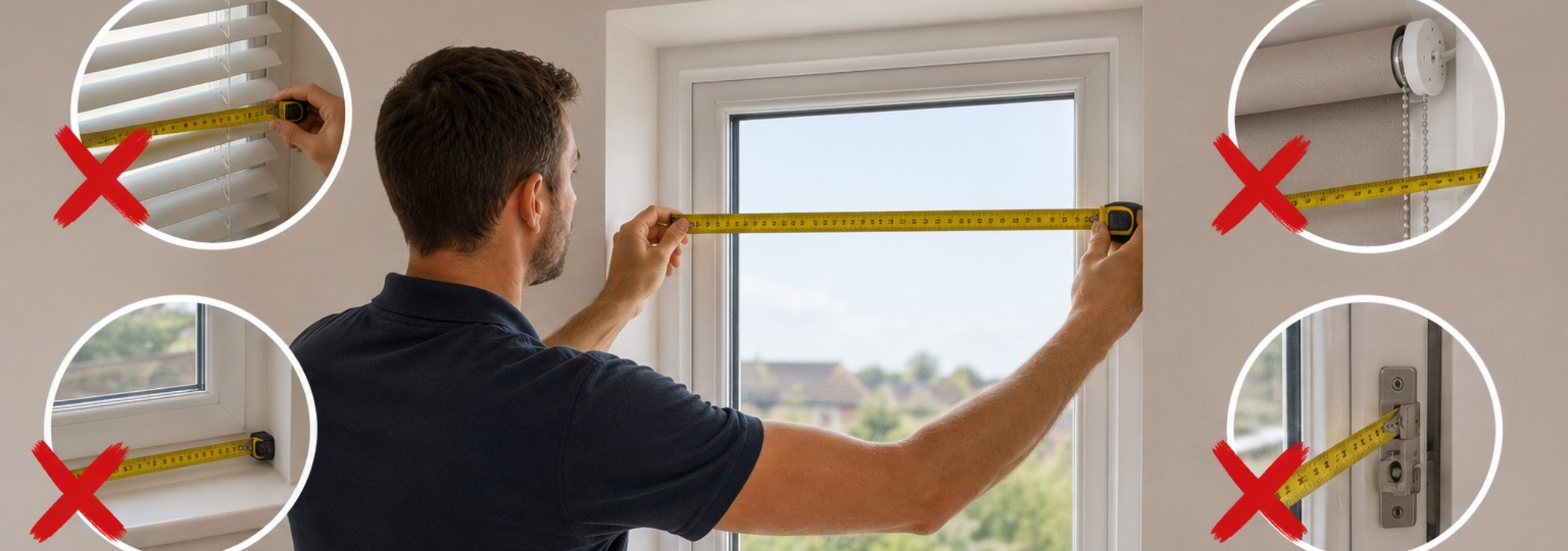

Made to measure blinds are manufactured to your exact specifications. That’s the whole point. But it also means that if your measurements are wrong, the blind will be wrong. You can’t trim it to fit like you would with a curtain pole, and you can’t stretch it if it’s too short. Most measurement errors are entirely avoidable with a bit of preparation. The measuring guides from BlindsbyPost cover every blind type and window configuration, including step by step instructions for bay windows. Here are the ten mistakes that catch people out most often.
1. Measuring Once Instead of Three Times
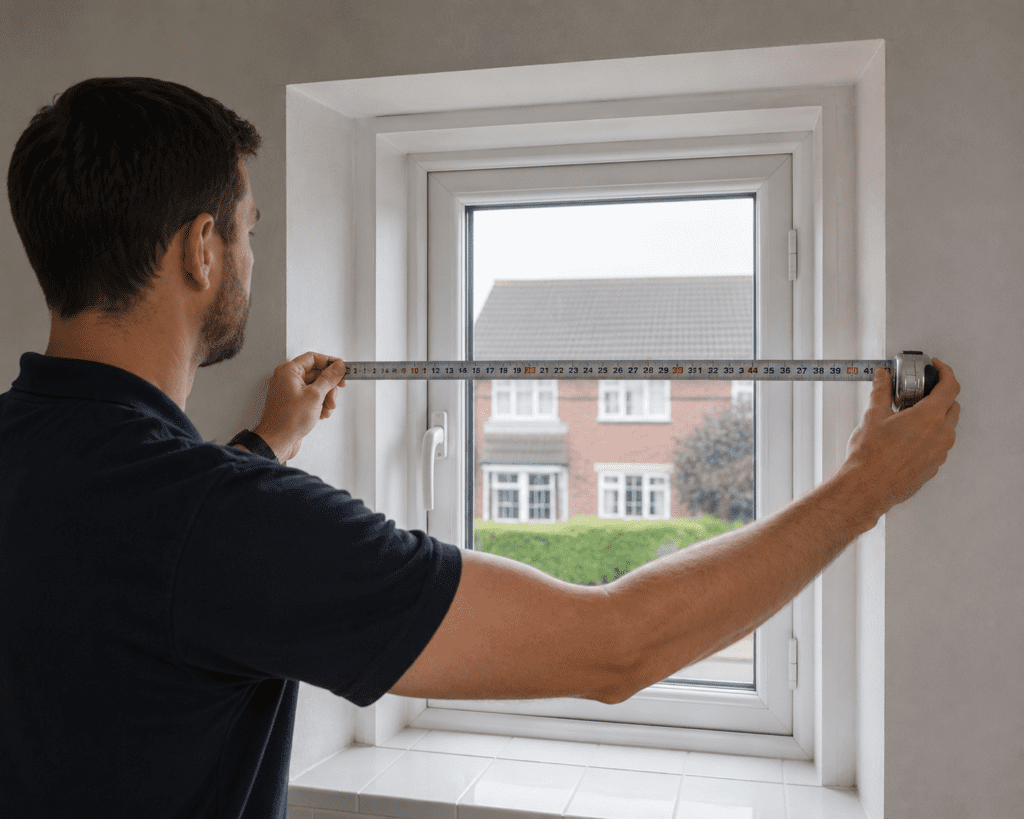
Window recesses are rarely perfectly square. The width at the top can be different from the width at the bottom, and the drop on the left can be different from the drop on the right. Measure in three places for both width and drop, and always submit the smallest measurement. This ensures the blind will fit even at the narrowest point of the recess.
2. Using a Fabric Tape Measure
Fabric tape measures stretch over time and give inaccurate readings. Use a steel tape measure for all window measurements. The rigid blade gives you a precise reading, and the hooked end clips onto the window frame for solo measuring. A millimetre error doesn’t sound like much, but across a 1200mm wide window, a stretched tape can easily add 5mm or more.
3. Confusing Recess Fit and Face Fit
This is the most common mistake. Recess fit means the blind sits inside the window recess, between the two side walls. Face fit (also called exact size) means the blind sits on the wall or lintel above and outside the recess. The measurements are completely different. For recess fitting, you measure the inside of the recess and the manufacturer makes deductions for bracket clearance. For face fitting, you provide the exact finished size you want and no deductions are made.
4. Forgetting to Check for Obstructions
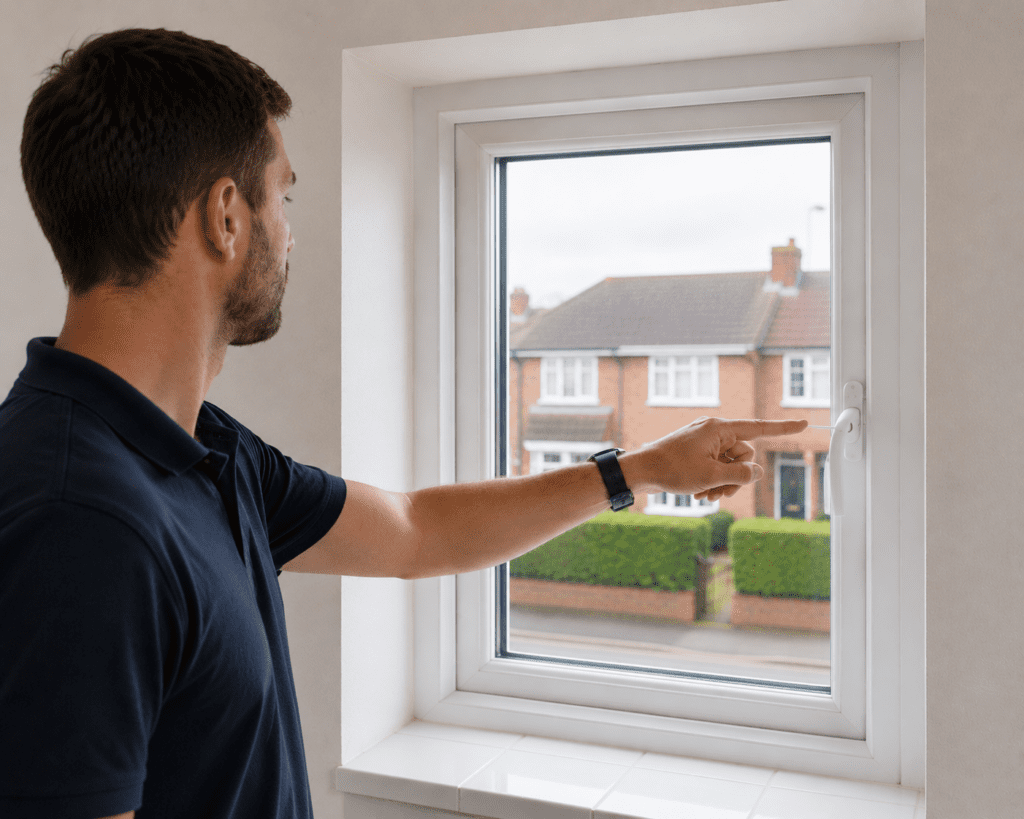
Window handles, tilt and turn mechanisms, window vents, and radiator valves can all affect how a blind operates within the recess. It’s essential to make sure there is enough clearance for the blind to move freely without catching, rubbing, or being obstructed. Even small protrusions can prevent the blind from hanging or operating correctly, particularly when raising, lowering, or tilting.
Always check the full depth of the recess against the furthest point of any obstruction to ensure the blind will sit and function properly. If there isn’t enough clearance, the blind may need to be fitted outside the recess instead.
5. Not Accounting for Bay Window Corners
Bay windows need individual blinds for each panel, not a single blind across the full opening. The corners of the bay create a clash zone where the brackets and headrails of adjacent blinds meet.
6. Ignoring the Stack Height on Roman Blinds
Roman blinds fold into a stack of fabric at the top when raised. This stack covers part of the window even when the blind is fully open. If the window is near an opening door or a tilt and turn handle, the stack can interfere with the mechanism. Check the estimated stack height before ordering and make sure it clears any moving parts. The measuring guides include guidance on this.
7. Measuring Width and Drop the Wrong Way Around
It sounds obvious, but submitting the width as the drop and the drop as the width is more common than you’d think, especially on nearly square windows. Always label your measurements clearly: width is horizontal (left to right), drop is vertical (top to bottom). Double check before entering the figures online.
8. Rounding Up Instead of Using Exact Figures
Don’t round your measurements. If the recess width is 847mm, submit 847mm. Not 850mm. Not 85cm. The factory cuts to the exact figure you provide (with standard deductions for bracket clearance on recess orders). Rounding up by even 3mm can mean the blind is too wide to fit inside the recess.
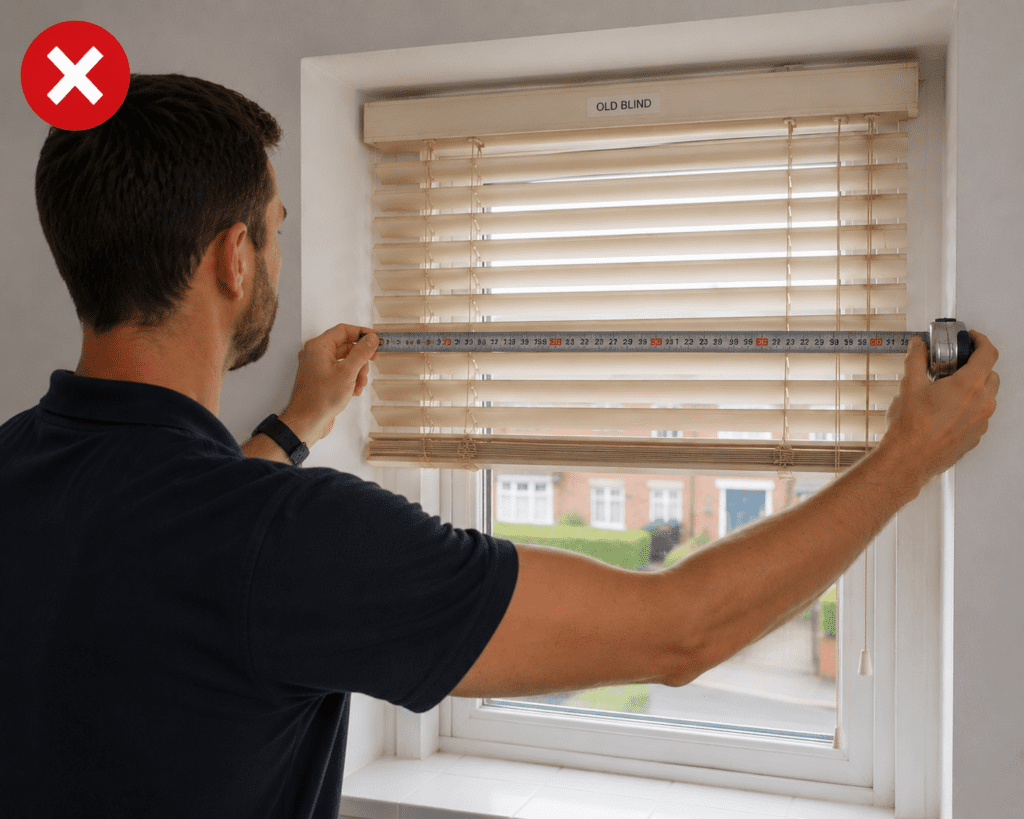
9. Measuring an Old Blind Instead of the Window
Measuring a blind that’s already installed and ordering the same size seems logical, but it doesn’t account for any deductions that were applied to the original order, wear or sagging in the old blind, or changes in the window (settlement, new handles, different fitting position). Always measure the window fresh, not the old blind.
10. Not Adding MeasureSafe
If you’re not 100% confident in your measurements, MeasureSafe is a small add on charge that covers you if you get it wrong. Your blind will be replaced or altered and the original returned. It’s available on qualifying items at checkout and is particularly worth adding for expensive blinds (motorised, large format, premium fabrics) or tricky windows (bays, doors, skylights) where the cost of a mistake is highest.
Order up to eight free fabric samples when you’re ready to start, and request measuring templates if you’re working with bay windows. All blinds from BlindsbyPost are made to measure at the Bradford factory and come with a three year guarantee.